
SOLAS Boats
From concept to certification, we’ve been deeply involved in designing, testing, and selling SOLAS-compliant boats for over a decade.
Our team’s hands-on experience ensures you receive impartial guidance tailored to your yacht’s unique needs, making safety and our top priority.
Whether upgrading or building from scratch, we simplify the process with practical, proven advice every step of the way—whether for small RIBs, jet tenders, or large lifeboats.
SOLAS boats in stock
November 2025
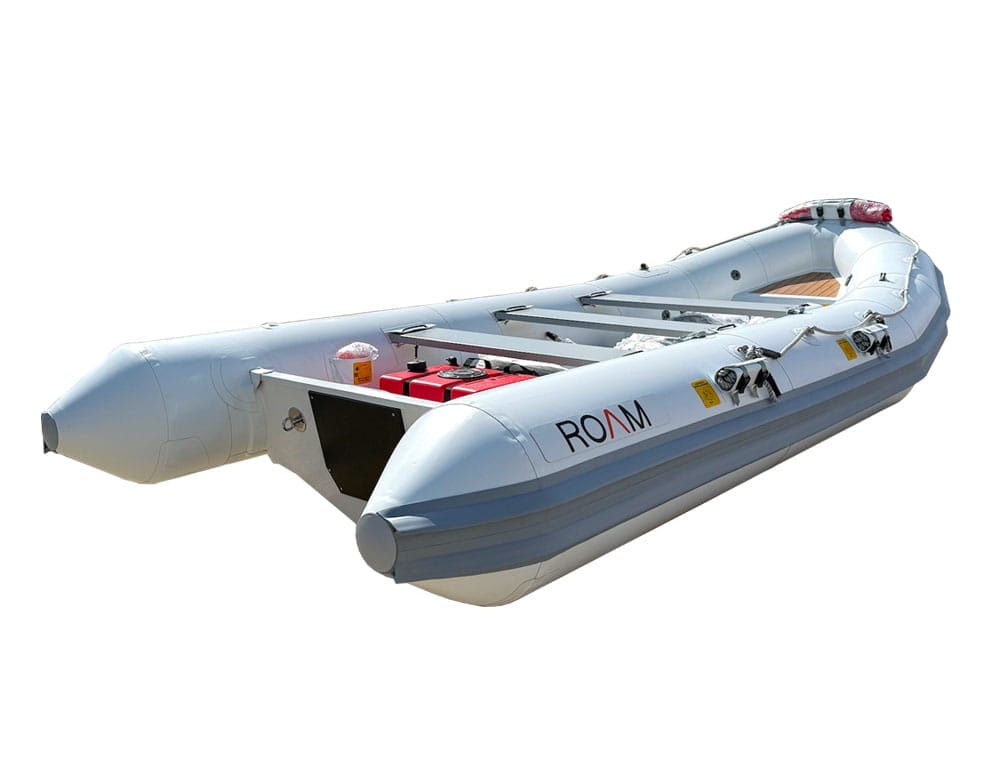
ROAM 400
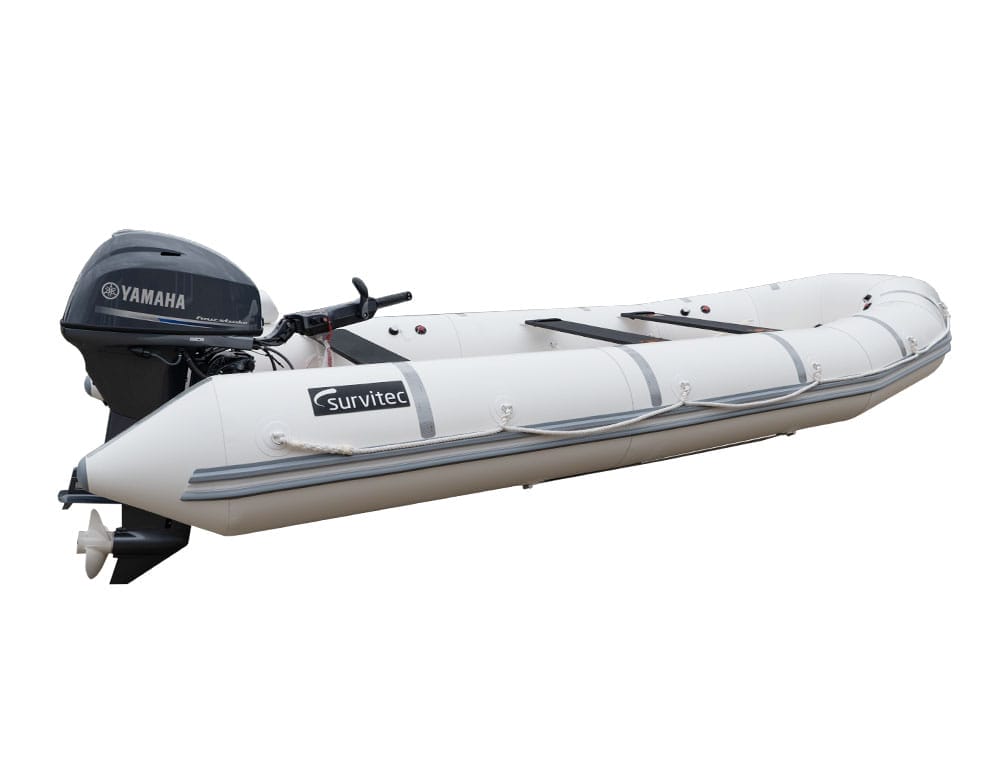
Survitec 450
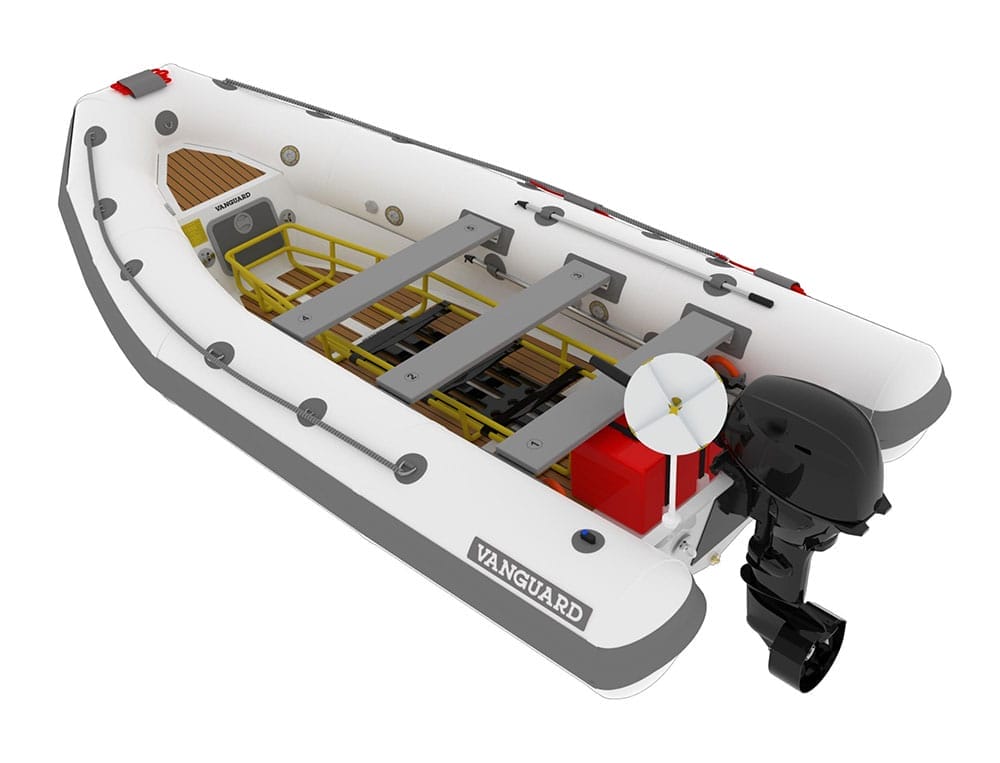
Vanguard RB400
SOLAS Boat Builders
SOLAS boats are a serious matter where safety and compliance cannot be compromised. Our team is a trusted partner for all major SOLAS boat builders, recognised for our in-depth knowledge and meticulous attention to detail.
With us, you can be confident that every aspect of your SOLAS boat project is handled with the care and professionalism it deserves.
Additionally, we build our own SOLAS boats at our ROAM shipyard, combining industry-leading expertise with in-house craftsmanship.
This end-to-end approach ensures a seamless service, from initial consultation to manufacturing and delivering bespoke SOLAS tenders tailored to your exact specifications.



SOLAS Boat FAQs
SOLAS tenders are mandatory for vessels over 500 gross tonnes (GT), such as superyachts, cruise ships, and commercial vessels. These boats are designed to comply with IMO regulations, which ensure adequate life-saving capabilities on board.
For vessels under 500GT, the requirements are less stringent, and an LY2 rescue tender may suffice. LY2 tenders are built to meet the Large Commercial Yacht Code (LY2 or LY3) and provide versatile solutions for rescue operations and guest transport. However, they do not meet the full certification standards of SOLAS tenders.
The construction of SOLAS tenders focuses on durability, safety, and compliance with strict regulations:
- Fire retardant materials: Fire-retardant resins help protect the boat from catastrophic failure when launched from a burning vessel.
- High-strength hulls: Typically made from aluminium, fibreglass (GRP), or high-density polyethylene (HDPE), SOLAS hulls are engineered to endure significant impacts without compromising performance.
- Self-righting capabilities: SOLAS tenders are designed to return to be able to be turned to an upright position after capsizing. Depending on size, this can be manual or with an airbag.
- Integrated buoyancy: Built-in foam or multiple air buoyancy chambers guarantee flotation even when the hull is compromised or submersed.
These specialised construction techniques make SOLAS tenders distinctly different from standard rescue boats or LY2 tenders, which may not require the same level of impact resistance or fireproofing.
SOLAS tenders undergo extensive testing to ensure they meet IMO standards. These certifications involve:
Heavy weather trial: Tests the tender’s capability to operate effectively in adverse weather conditions.
Drop test: The boat must withstand being dropped from a height of 3 metres without sustaining structural damage.
Smash test: Ensures the tender can endure significant impacts, such as collisions or debris strikes.
Self-righting test: Ensures the tender can return to an upright position if capsized.
Swamp test: Assesses the tender’s buoyancy and stability when flooded with water.
Overload lifting test: Verifies the tender’s structural strength under loads exceeding its maximum capacity.
Endurance trial: Evaluates the tender’s performance and durability over extended periods of operation when under full load.
The engines in SOLAS tenders are built to meet exacting standards, ensuring they can function in the harshest environments:
- Restart after capsize: The engine must operate even after the tender has been overturned and/or swamped.
- Dual starting methods: Two independent methods of starting, such as an electric ignition and manual pull cord, are mandatory.
- Dry run capability: The engine must be capable of running dry temporarily without damage, maintaining its ability to pump water effectively.
These features make SOLAS engines uniquely suited for life-saving operations, far exceeding the capabilities of engines found in LY2 or non-SOLAS-certified rescue boats.
A key requirement for SOLAS tenders is rapid and efficient deployment:
- Passenger capacity: SOLAS tenders must accommodate at least six passengers, though many are designed for larger capacities.
- Deployment time: The tender must be launchable within five minutes, even if the ship is listing or without external power.
- Recovery: Retrieval systems are designed for efficiency, enabling the boat to be brought back on board swiftly, regardless of sea conditions.
It’s important to mention that boats must be certified and load-tested for man-riding, including the fuel weight. This is often overlooked by crew but is crucial for safe lifting operations. For example, if a crane needs to lift a tender weighing 500kg, plus six people at 90kg each, plus fuel, the crane must have a Safe Working Load (SWL) of at least 1,000kg.
Yes, SOLAS tenders must be equipped with specialised lighting to enhance visibility and safety:
- Navigation lights: Red, green, and white lights for compliance with maritime rules.
- Searchlights: High-powered beams for locating individuals in low-visibility conditions.
- Strobe lights: High-output flashing lights to ensure the tender is visible to other vessels.
LY2 rescue tenders are designed for yachts under 500GT and offer a practical solution for smaller vessels. While they share some features with SOLAS tenders, there are key differences:
- Certification: LY2 tenders comply with the Large Commercial Yacht Code but do not meet SOLAS stricter IMO certification standards.
- Construction: LY2 tenders are versatile and often used for guest transport as well as rescue, whereas SOLAS tenders typically focus exclusively on emergency operations. Note for Tom – The best yacht tenders can do both roles.
- Engine requirements: LY2 tenders may not feature engines with dual starting methods or the ability to restart after capsizing.
Use case: LY2 tenders are ideal for dual-purpose roles on smaller yachts, while SOLAS tenders are a necessity for larger vessels prioritising emergency preparedness.
The choice between a SOLAS tender and a lifeboat depends on the vessel type, gross tonnage, and operational requirements:
- Superyachts and vessels over 500GT: Often require both lifeboats for evacuation and SOLAS tenders for rescue operations. Depends upon size, capacity and number of persons on board (POB).
- Smaller yachts and vessels under 500GT: May use LY2 rescue tenders or multipurpose tenders instead of full-scale lifeboats. Some will choose a dedicated SOLAS tender regardless.
The role of SOLAS tenders in yachting safety
SOLAS tenders are an indispensable asset for vessels exceeding 500GT, ensuring compliance with international safety standards and providing robust rescue capabilities.
Their advanced construction, rigorous certification, and specialised engines make them uniquely suited for life-saving operations.
Whether you’re seeking a beachlander, limousine, SOLAS tender, or sailing yacht, our team is on hand to answer your questions.
